How Electronics Recycling Can Help Businesses Go Green: Sustainable Practices for Corporations
Electronics recycling provides a vital option for organizations looking to boost their find now sustainability undertakings. By addressing e-waste properly, organizations can minimize their environmental consequences and extract important resources. Moreover, adopting these methods can strengthen brand standing with green-focused buyers. Yet, numerous entities might overlook the difficulties found within launching a successful waste reduction framework. Grasping these details is critical for plotting the direction toward sustainable activities and obtaining enduring gains.
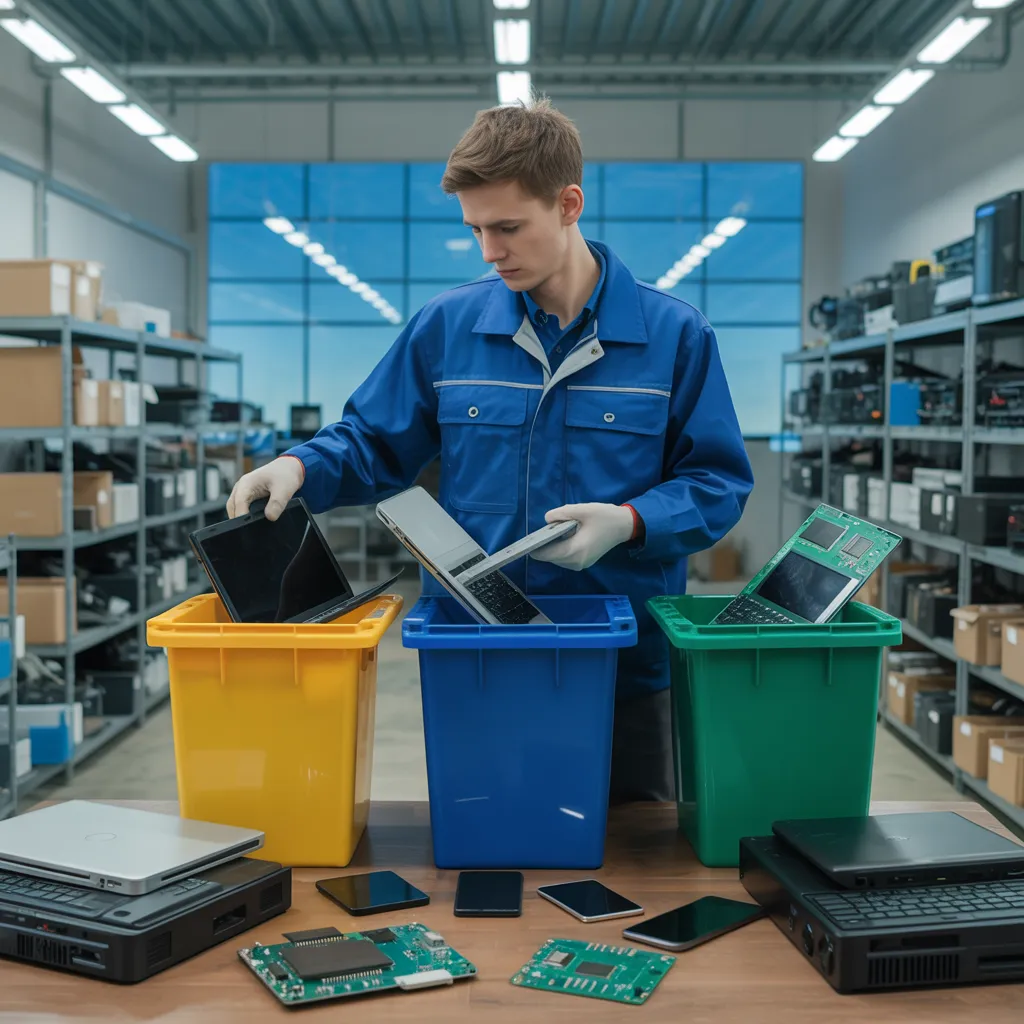
The Critical Function of Electronics Recycling for Organizations
Although many companies may overlook the relevance of electronics waste management, it plays a role as an vital factor in promoting sustainability and decreasing environmental impact. As technological advancements accelerates, companies frequently upgrade their electronic devices, resulting in a increasing volume of e-waste. Proper recycling guarantees that valuable materials are retrieved, limiting the requirement for new material extraction and saving energy.
In addition, participating in electronics recycling can improve a company's reputation. Consumers increasingly favor businesses dedicated to sustainable practices, and demonstrating responsibility in managing e-waste can engage environmentally conscious customers. Adherence to regulations regarding electronic waste also safeguards businesses from potential legal liabilities and fines.
Additionally, recycling can generate financial advantages. By responsibly disposing of outdated electronics, companies can lower waste disposal fees and gain financial value from recyclable materials. Overall, implementing electronics recycling is not simply an responsible choice; it is a prudent business decision that corresponds with modern sustainability goals.
Electronics Recycling Reduces Ecological Impact
Electronics recycling functions as an important role in lowering environmental impact by safeguarding natural resources and minimizing e-waste pollution. By recovering valuable materials, this approach supports the promotion of circular economy concepts. As enterprises participate in responsible recycling, they contribute to a more sustainable future.
Protecting Natural Resources
Recycling e-waste greatly supports the preservation of natural resources by reclaiming valuable elements. Many electronic devices contain precious metals such as gold, silver, and palladium, which are extractable and reusable. This process lowers the necessity of mining, a resource-heavy operation that drains ecosystems and uses significant energy. Moreover, recycling assists in recovering rare earth elements that are vital for manufacturing new technologies. By diverting electronic waste from landfills, businesses not only reduce the environmental impact of resource extraction but also promote a circular economy. This sustainable habit allows companies to cut down on their carbon footprint, lower production costs, and champion environmental stewardship, ultimately fostering a healthier planet for future generations. Through responsible recycling, businesses can lead the way in conserving essential natural resources.
Lowering E-Waste Pollution
A large share of global waste is made up of electronic devices, which contribute to intensifying environmental pollution. Incorrect e-waste disposal releases dangerous materials like heavy metals and toxins, contaminating soil and water supplies. The recycling of electronics reduces these dangers by making sure harmful parts are handled safely and responsibly. By repurposing materials like metals, plastics, and glass, recycling reduces the need for new resource extraction, further limiting environmental harm. Moreover, recycling initiatives facilitate the proper disposal of old devices, aiding businesses in following environmental laws. Engaging in electronics recycling allows companies to both reduce their carbon footprint and encourage a healthier ecosystem. Such a proactive strategy demonstrates corporate responsibility as it effectively tackles the urgent issue of e-waste pollution.
Promoting Round Economy Methods
Adopting responsible electronics waste management initiatives functions as a crucial component in advancing circular economy frameworks. By handling electronic waste, enterprises can substantially reduce the demand for virgin materials, thus protecting environmental capital and limiting environmental harm. This approach supports the restoration of critical materials, increasing the operational duration of products and minimizing the quantity of electronic waste placed in landfills. Moreover, by adopting sustainable business models, businesses can boost their corporate reputation and meet customer preferences for sustainable operations. Prioritizing conscientious recycling additionally catalyzes creativity in product engineering, motivating suppliers to produce devices that are simpler to take apart and recycle. In conclusion, incorporating electronics recycling into business operations aids in creating a greener world, helping both the environment and the market.
Top Benefits of Electronics Recycling for Organizations
Electronics recycling delivers major advantages for firms, mainly through expense reduction and environmental impact reduction. By correctly recycling obsolete devices, firms can reduce disposal costs and extract essential resources. Moreover, adopting recycling practices improves organizational ethics and encourages green initiatives.
Monetary Economy Possibilities
Numerous businesses are identifying substantial cost savings through effective e-waste recycling initiatives. By implementing these programs, enterprises can reduce costs connected to e-waste, as recycling often costs less than landfill disposal. Additionally, precious materials extracted from outdated electronics can be marketed, yielding revenue and compensating for replacement costs. Streamlined recycling processes also minimize storage costs for outdated equipment, freeing up valuable office space. Moreover, several organizations enjoy from tax incentives related to sustainable practices, adding another layer of financial advantage. In conclusion, embracing electronics recycling not only promotes corporate responsibility but also encourages economic efficiency, enabling businesses to distribute resources more wisely and improve their bottom line.
Lowering Environmental Impact
A substantial decrease in ecological footprint is one of the primary advantages businesses experience when they adopt effective electronics recycling practices. By reprocessing old equipment, organizations can minimize hazardous waste, such as harmful elements and poisonous materials, that can contaminate soil and waterways. This not only assists in protecting environmental assets but also decreases the carbon footprint associated with producing fresh devices. Additionally, reprocessing conserves energy, as it often requires less energy to handle reclaimed substances than to extract and refine virgin resources. As enterprises implement these practices, they contribute to sustainable production cycles, advancing ecological responsibility and conservation. Ultimately, responsible electronics recycling enables businesses to enhance environmental reputation while benefiting the planet.
How to Construct a Productive Electronics Reprocessing Blueprint
Forming a thriving tech waste recycling strategy calls for deliberate planning and carrying out. Enterprises should undertake by reviewing their current electronic waste management practices to identify segments for improvement. This examination should feature an inventory of outmoded devices and an appraisal of discharge systems.
Following this, organizations should establish specific targets for their waste management programs, which may involve lowering waste output, raising recycling levels, or strengthening environmental practices. Involving team members via training sessions develops a framework of ecological responsibility and inspires participation in sustainability initiatives.
Additionally, creating a schedule and financial plan is crucial for monitoring progress and guaranteeing resources are allocated effectively. Frequently assessing and revising the strategy based on feedback and changing regulations helps preserve adherence and effectiveness. By integrating these elements, companies can create a strong electronics recycling program that not only benefits the environment but also advances corporate responsibility and enhances their green image.
Guidelines for Selecting the Ideal Electronic Equipment Disposal Partner
How can a company ensure its e-waste recycling vendor aligns with its environmental objectives? Selecting the appropriate recycling partner demands thorough evaluation of their operations and credentials. Companies should look for partners who possess established certifications, such as R2 or e-Stewards, which confirm adherence with environmental standards.
Moreover, firms should learn about the partner's recycling operations, including the methods used to handle hazardous materials and the percentage of recycled items versus those going to landfills. Clarity in reporting practices and data management is also required.
Additionally, a strong reputation in the industry can showcase reliability; businesses may profit from reviews and testimonials from other clients. Engaging in clear dialogue about sustainability goals will help guarantee coordination. Ultimately, selecting a partner dedicated to responsible waste management can greatly enhance a corporation's overall environmental programs.
Debunking Popular Misconceptions About Electronics Recycling
While many organizations acknowledge the necessity of electronics recycling, various myths remain that can obstruct efficient practices. One frequent misconception is that all electronics can be disposed of in ordinary recycling bins. In fact, particular facilities are necessary to handle electronic waste safely. Another myth claims that recycling electronics is too high-priced for businesses. However, numerous recycling programs supply free or low-cost services that can ultimately save companies money by decreasing waste disposal fees. Moreover, some think that data security concerns make recycling too unsafe. Still, reputable recycling partners supply certified data destruction services, confirming sensitive information is safely handled. Finally, there is a belief that recycling electronics has little environmental impact. In truth, proper recycling considerably reduces e-waste in landfills and preserves valuable resources. Debunking these myths is important for businesses aiming to embrace sustainable practices and help the environment.
Measuring Your Electronics Recycling Success
Businesses that successfully challenge myths about electronics recycling often find themselves motivated to measure their progress. Recording KPIs is important for evaluating the effectiveness of recycling efforts. Metrics such as the amount of e-waste recycled, the share of materials recovered, and financial benefits can supply significant insights.
Moreover, enterprises should evaluate their greenhouse gas emissions decrease and adherence to environmental regulations. Involving workers through awareness programs can also be measured by engagement levels in waste management initiatives.
Incorporating customer input can further enhance understanding of the recycling program's impact. Regular audits and documentation on these metrics not only showcase achievements but also identify opportunities to enhance.
Ultimately, an organized approach to measuring electronics recycling success enables businesses to make data-driven decisions, nurturing a culture of sustainability that aids both the environment and the organization.
Frequently Inquired Subjects
Which Varieties of Tech Products May Be Reused?
A wide range of electronic equipment are able to be recycled, such as computers, smartphones, tablets, televisions, printers, and gaming consoles. These items frequently hold precious resources that can be reused, minimizing waste and promoting environmental responsibility.
How Often Should Enterprises Replace Their Electronics?
Organizations should recycle their electronic equipment at least once annually, or more consistently guided by infrastructure improvements and equipment turnover. Ongoing recycling initiatives secures streamlined resource handling and observance of green standards, supporting sustainability within the organization.
What Expenses Come With Electronics Disposal?
Yes, there are expenses associated with electronics recycling, such as collection, transportation, and processing charges. However, these costs can be offset by potential reductions from decreased waste disposal and adherence to environmental standards.
Does Recycling Electronics Present Data Protection Risks?
Yes, recycling electronics can pose data security risks if proper procedures are not observed. Private data may be unintentionally exposed during the recycling process, stressing the criticality of secure data destruction approaches before discarding.
What Credentials Ought a Recycling Partner to Have?
A reputable recycling company should have certifications such as R2, e-Stewards, and ISO 14001. These certifications ensure conformity with ecological guidelines, cybersecurity practices, and sustainable waste management, protecting both the ecosystem and private records.